
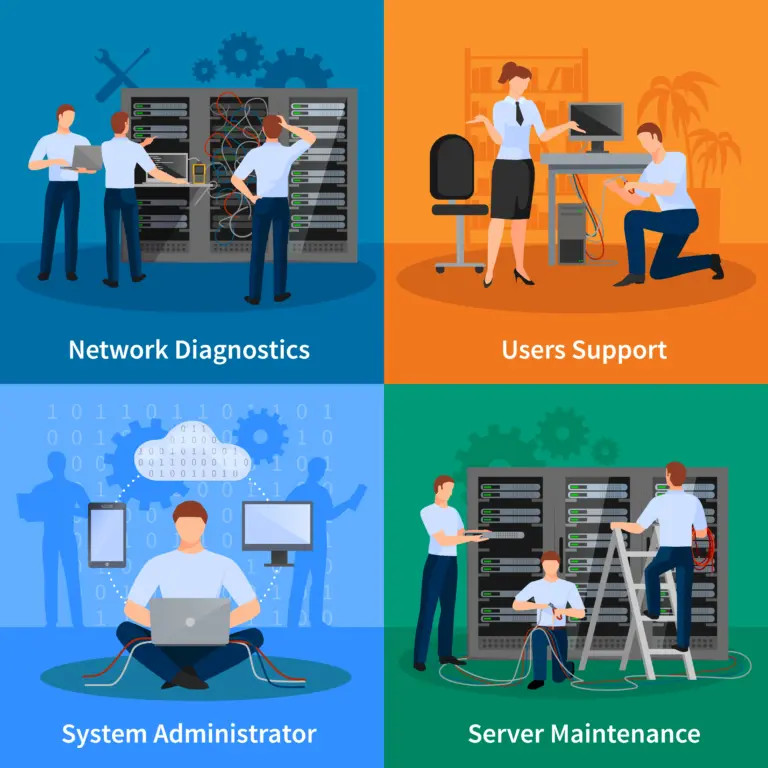

How to Find Reliable IT Support When You Need It Most

Published: November 3, 2026

When your technology stops working, the impact can spread quickly. Employees may lose access to important files, customers may not be able to reach your team, and a security issue could put sensitive information at risk. Even a short outage can create a backlog of work that takes days to recover from.

Unfortunately, many small and midsize businesses wait until they experience a serious problem before looking for IT support. By then, they may be forced to make a rushed decision. The fastest or cheapest option is not always the most reliable one.

A better approach is to find a dependable IT support provider before you need emergency help. With the right partner in place, your business can resolve issues faster, reduce downtime, and prevent many problems from happening in the first place.

Here’s what to look for when choosing reliable IT support for your business.

Why Reliable IT Support Matters

Most businesses rely on technology for nearly everything they do, from communicating with customers to managing files and processing payments. When systems are slow, unavailable, or vulnerable, your business feels the effects immediately.

Poor IT support can lead to:


• Lost productivity
• Frustrated employees
• Missed deadlines
• Unhappy customers
• Unexpected expenses
• Security risks
• Extended downtime

Reliable IT support helps keep these problems under control. A good provider does more than fix computers after they break. They monitor your systems, address potential issues early, strengthen your security, and help you make smarter technology decisions.

For small and midsize businesses, dependable support can also provide access to experienced IT professionals without the cost of building a large internal IT department.

Signs Your Business Needs Better IT Support

You may already know that your current IT arrangement isn’t working well, but the warning signs are easy to overlook.

It may be time to look for a new provider if:


• The same technical problems keep coming back
• Your support provider is slow to respond
• You’re unsure whether your backups are working
• Employees are responsible for troubleshooting their own technology
• You have no clear plan for handling an outage
• Your IT costs are unpredictable
• Your provider only reacts after something goes wrong
• You rarely receive updates or recommendations

You don’t need to wait for a major outage to make a change. If your IT support is creating more uncertainty than confidence, it’s worth exploring your options now.

What to look for in a Reliable IT Support Provider

Not every IT company offers the same level of service. Some specialize in one-time repairs, while others provide ongoing support, security, and strategic guidance. As you compare providers, focus on these important qualities.

Clearer Response Times

When your email is down or your team can’t access critical systems, you need to know when help will arrive.

A reliable IT provider should explain how they prioritize support requests and handle urgent issues. Ask how quickly they respond to critical problems, whether after-hours support is available, and how issues are escalated.

Be cautious if a provider makes vague promises. A dependable partner should clearly explain what you can expect before you sign an agreement.

Proactive Monitoring and Maintenance

The best IT support is not limited to fixing problems after they occur. It includes monitoring your systems and addressing potential issues before they interrupt your business.

Proactive IT support may include:


• Monitoring servers, workstations, and network equipment
• Applying software updates and security patches
• Checking backup systems
• Identifying unusual activities
• Managing devices and users
• Reviewing system performance

Many businesses choose managed IT services because they provide ongoing monitoring, maintenance, and support instead of relying only on an hourly, break-fix model. If you’re evaluating the financial side of managed support, this guide to how much managed IT services should cost explains the factors that can affect pricing.

Strong Cybersecurity Expertise

IT support and cybersecurity are closely connected. A provider that only focuses on fixing devices may not be equipped to protect your business from today’s evolving threats.

Your IT partner should be able to help with multi-factor authentication, email and phishing protection, endpoint security, security patching, employee awareness training, backup and disaster recovery, and vulnerability management.

Cybersecurity should be part of your ongoing IT strategy — not an afterthought.

Clear Communication

Technical expertise is important, but communication matters just as much. When something goes wrong, you should receive clear information about what happened, what is being done, and when you can expect a resolution.

Look for an IT support team that explains technical issues in plain language, communicates proactively during disruptions, sets realistic expectations, and takes time to understand your business.

Good IT support should make technology easier to manage, not more confusing.

Experience Supporting SMBs

Small and mid-size businesses need strong security and reliable systems, but they also need solutions that fit their budget and resources. An experienced SMB-focused provider understands how to balance those priorities.

The goal isn’t to invest in every available technology. It’s to build an IT environment that supports your business today and can grow with you tomorrow.

Break-Fix Support vs Managed IT Services

Break-fix support can seem affordable because you only pay when you need assistance. However, this model often leads to unpredictable expenses and encourages businesses to wait until a small problem becomes a serious one.

Managed IT services provide ongoing support for a predictable monthly fee. Depending on the provider and service plan, this may include monitoring, maintenance, cybersecurity, help desk support, backup management, and strategic planning.

Managed IT services can help your business reduce recurring problems, limit downtime, improve security, budget more consistently, and plan instead of constantly reacting.

To learn more, explore Accent Consulting’s managed IT services for SMBs.

Choose an IT Partner That Can Support Your Future

Your IT provider should be able to help with more than today’s problems. Technology, cybersecurity threats, and business needs continue to change, so your support partner should be prepared to evolve with you.

Ask them which tasks take longer than they should, where they enter the same information more than once and which processes depend on spreadsheets or emails to move information between departments.

A future-ready provider can help you evaluate cloud services, remote work security, backup and recovery plans, automation opportunities, and technology investments that support long-term growth.

For a closer look at the qualities to prioritize, read What Makes an MSP Future-Ready in 2026?.

Find Reliable IT Support Before the Next Crisis

Reliable IT support is more than an emergency expense. It’s an important part of running a secure, productive, and resilient business.

The right provider can help protect your data, support your employees, reduce downtime, and make technology decisions with greater confidence. The key is to evaluate your options before the next crisis occurs.

Accent Consulting helps SMBs take a proactive approach to technology with responsive support, cybersecurity expertise, ongoing monitoring, and strategic guidance. Contact Accent Consulting today to learn how managed IT services can help your business stay secure, supported, and ready for what’s next.

Reach Out To Us

Recent Posts