
Tech Trends to Watch in 2026
Published: August 26, 2026
Today, technology is no longer just a fast-moving sector to watch from the sidelines. Instead, it is actively shaping how businesses operate, how teams make decisions, how customers interact with brands, and how organizations approach security, infrastructure, and long-term growth. Rather than centering on one breakthrough device or a single software category, the biggest tech trends this year point to a broader shift toward smarter systems, more connected operations, and a deeper reliance on digital foundations.
As AI becomes more practical, cybersecurity risks continue to evolve, infrastructure demands accelerate, and emerging technologies move closer to everyday business use. As a result, the question is no longer whether technology matters. The bigger question is which changes are most relevant now and which ones are likely to influence the next several years.
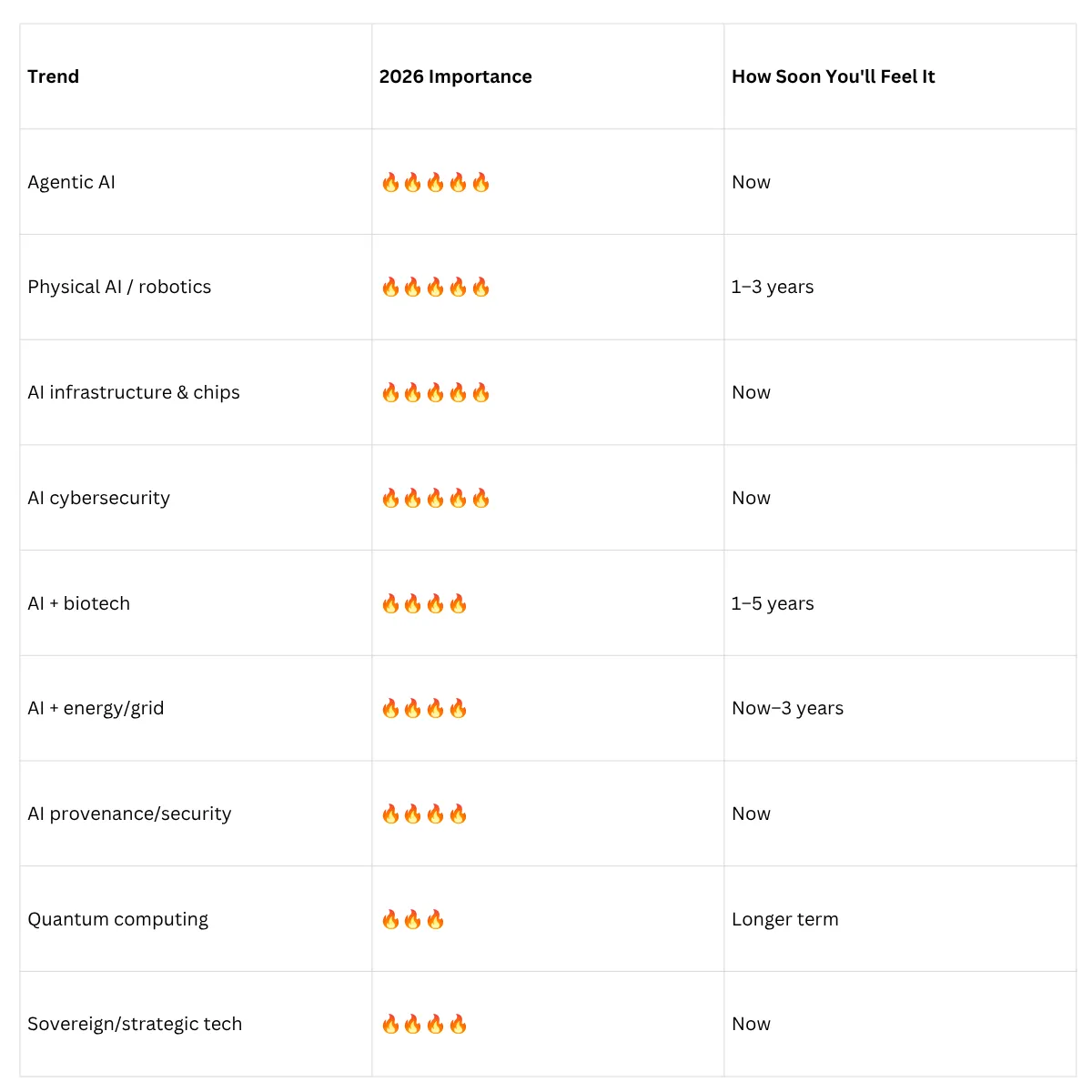
The big picture is clear: this is the year AI begins moving from software you use to infrastructure that acts. The most important convergence to watch is the overlap of AI, agents, robotics, chips, energy and cybersecurity.
1. AI Agents Move Beyond Simple Chatbots
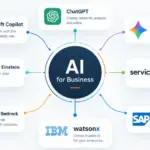
Artificial intelligence is no longer limited to answering prompts or generating content. One of the biggest developments this year, however, is the rise of AI agents. These systems can handle multi-step tasks, make decisions within defined rules, and support real workflows with less human input.
For businesses, this shift means AI is becoming more useful in daily operations. In practice, AI agents can help manage support requests, route tasks, gather data, generate summaries, and assist with routine decisions. Instead of acting like a one-time tool, they are starting to function more like digital assistants built directly into business processes.
2. AI-Native Cybersecurity Is Gaining Ground
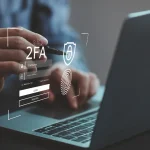
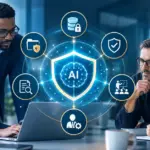
As cyber threats become faster and more sophisticated, security teams are increasingly turning to AI to improve detection and response. By analyzing large volumes of activity, AI can help organizations spot unusual behavior and respond to incidents more quickly.
At the same time, attackers are also using AI to move faster. For example, they can automate phishing campaigns, identify weak points more efficiently, and create more convincing social engineering attacks. As a result, cybersecurity has become a two-sided AI race.
Because of this, businesses should look for security tools that use AI for threat detection, response automation, and identity protection.
3. Physical AI and Robotics Are Becoming More Practical
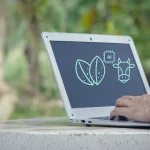
Robotics is also becoming more relevant as advances in AI improve how machines interact with the real world. This trend is especially important in warehousing, manufacturing, agriculture, and logistics.
Physical AI helps robots understand environments, adapt to changes, and complete more complex tasks. While consumer robots may still take time to develop fully, industrial and commercial uses are already growing.
For many businesses, therefore, this trend is less about replacing workers and more about improving efficiency while reducing repetitive work.
4. AI Infrastructure and Chips Are Becoming Strategic
AI depends on more than software. It also relies on the infrastructure behind it, including chips, data centers, networking, cloud capacity and power.
This year, AI infrastructure is becoming a major story because companies are investing heavily in the systems needed to support large-scale AI workloads. Although businesses may not always see this trend directly, they will feel its effects through cloud services, application performance, and technology costs.
In other words, AI is not just sitting on top of the business technology stack. It is reshaping the stack itself.
5. Trust, Provenance and Data Security Matter More Than Ever
As AI becomes more common, businesses are asking harder questions about trust. For instance, how do you know where information came from? How do you confirm whether content was created by a person or a machine? And how do you protect sensitive data while using more advanced tools?
This is where AI provenance and digital trust come into play. In response, organizations are looking for clearer ways to validate content, secure data, and build confidence in AI-supported decisions. These concerns are especially important in regulated industries and customer-facing environments.
6. Quantum Readiness Is Moving Closer
Quantum computing is still a longer-term trend. Even so, more organizations are beginning to plan for it now because some data must remain secure for many years, and future quantum systems could eventually weaken current encryption methods.
This does not mean immediate disruption is around the corner. However, it does mean businesses should begin understanding where they use cryptography and what long-term data risks may exist.
7. Strategic and Sovereign Tech Are Growing in Importance
Technology decisions are increasingly shaped by geopolitics, regulation, and supply chain concerns. In addition, access to chips, regional cloud infrastructure, and data residency requirements are all becoming more important.
For businesses, this means vendor decisions are no longer just about cost and features. Instead, they are also about resilience, control and risk.
Final Thoughts
Taken together, the latest tech trends this year point to a larger shift. Technology is becoming more embedded in operations, more connected to risk, and more important to long-term business strategy.
Ultimately, if there is one takeaway from this year’s watchlist, it is this: the most important trends are not isolated. AI agents, robotics, cybersecurity, infrastructure, and digital trust are all starting to converge.
Therefore, businesses that stay informed and take a practical approach will be in the best position to turn these trends into meaningful advantages.
Reach Out To Us
Recent Posts
-
Recognized Among America’s Most Reliable Companies – 2026March 11, 2026/0 Comments -

-

Top 11 Manufacturing Technology Trends Shaping the FutureAugust 26, 2026/ -
AI Agents and the Future of Work: What You Need to KnowAugust 25, 2026/ -
Best Practices for Managing Sensitive Data SecurelyAugust 25, 2026/ -
Cybersecurity Threats and Strategic Solutions in 2026August 25, 2026/ -
Best Tools for Assessing Cybersecurity Risk for BusinessesAugust 25, 2026/ -